
Soil Stabilization

Soil stabilization is mainly used for foundation engineering and ground improvement projects.


What is Soil Stabilization?

Soil stabilization encompasses a series of engineering techniques aimed at modifying and enhancing the physical and mechanical properties of soil to meet construction requirements. These improvements typically include increased strength, reduced compressibility, and enhanced load-bearing capacity.

Unlike remedial measures such as crack injection or leak sealing, which focus on existing concrete defects, soil stabilization is applied at the ground level, either prior to construction or beneath structures, to ensure long-term stability and performance. It is a widely used solution in infrastructure development, foundation engineering, and ground improvement projects. 

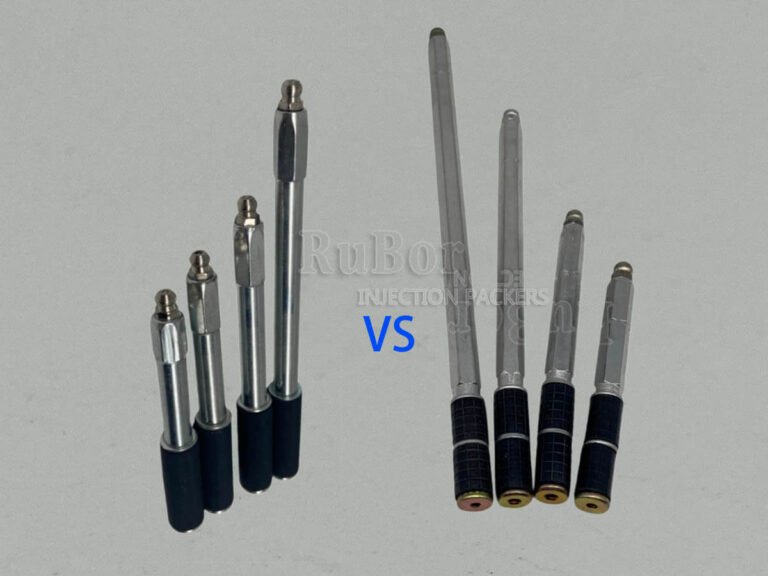
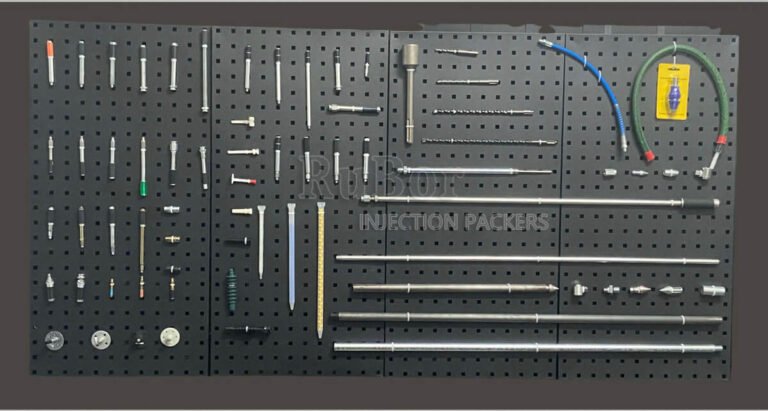
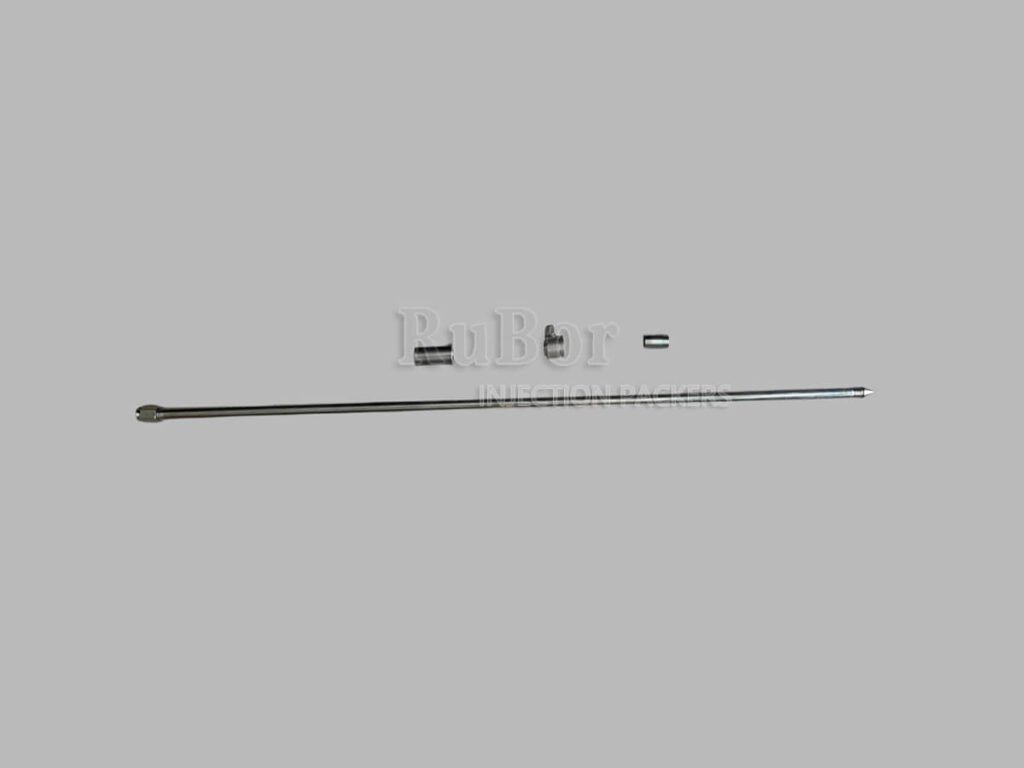
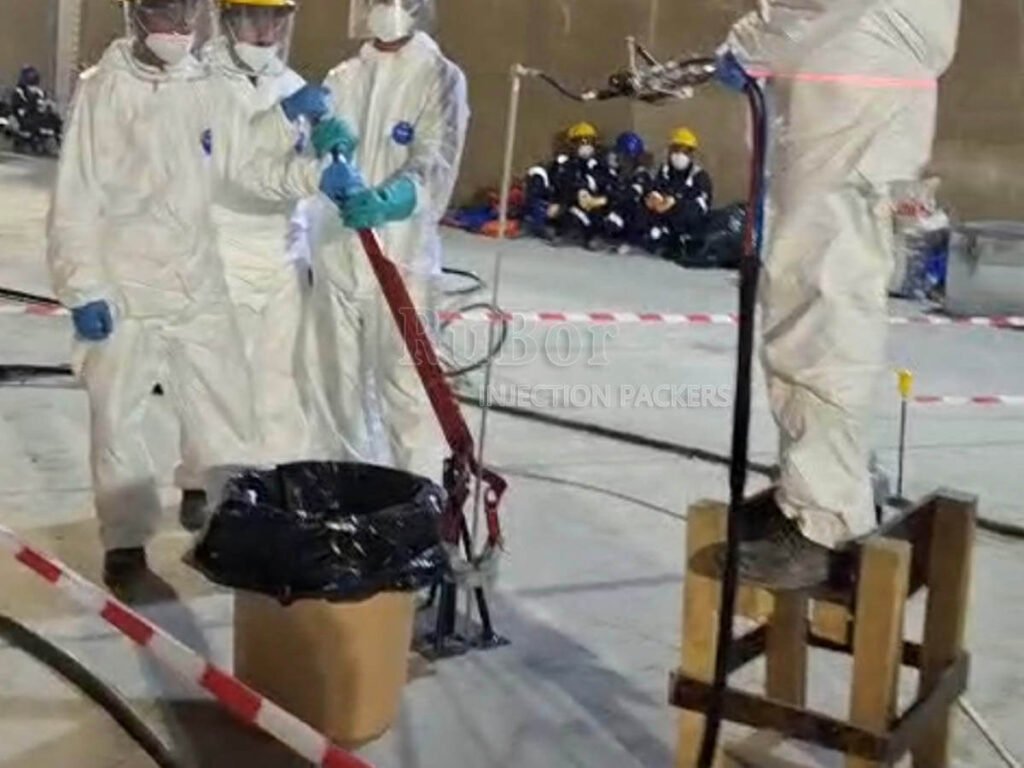
Among the various stabilization methods available, we focus on chemical grouting. As a specialized supplier of chemical grouting materials, we provide high-performance solutions, including ram injection lances, PU injection pumps, epoxy resin, etc. 

Engineering Objectives of Soil Stabilization

The primary goal is to convert weak or unstable ground into a stable and reliable foundation for construction.

Key objectives include:

  • Enhancing strength and load-bearing capacity
  • Minimizing settlement and structural deformation
  • Improving resistance to erosion and water ingress
  • Increasing durability under sustained and dynamic loads
  • Regulating permeability and reducing moisture sensitivity

When is Soil Stabilization Required

There are some conditions under which the natural soil condition is unsuitable for construction; we have to make it stable, so when should we apply this method? 

Common scenarios:

Soft or loose soils with low bearing capacity

Expansive clay soils prone to swelling and shrinkage

Areas with high groundwater or poor drainage

Sites with settlement or subsidence risks

Infrastructure projects requiring long-term stability

Proper geotechnical investigation is essential before selecting a stabilization method

Soil Stabilization
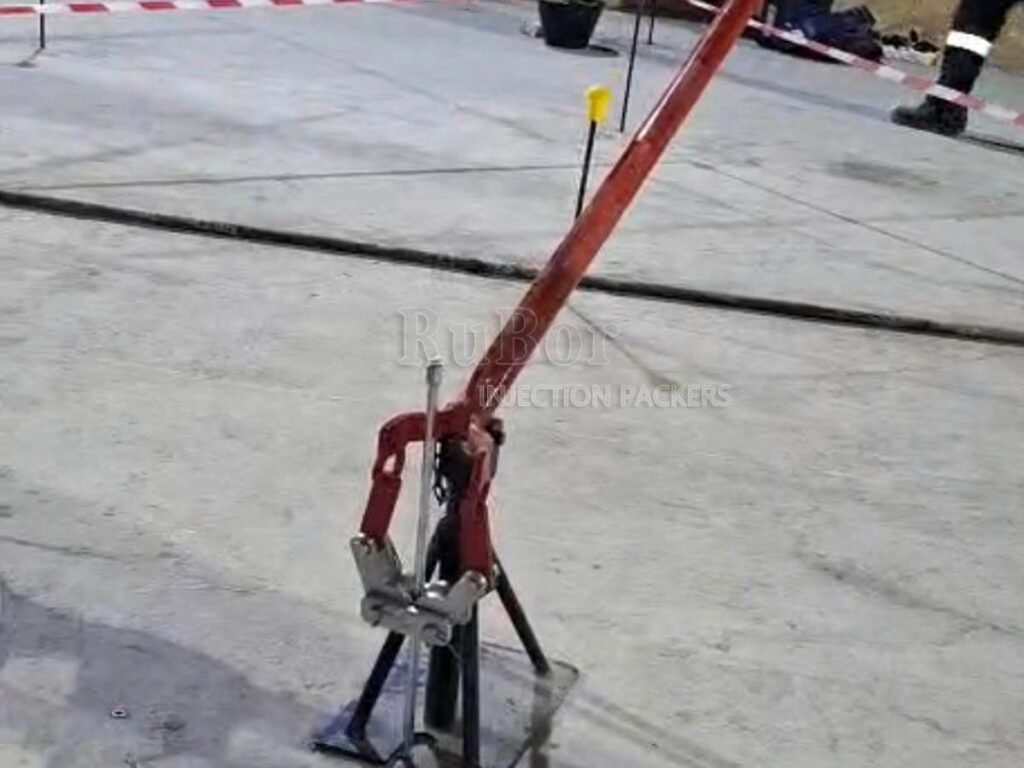
Grout Injection Lances for soil stabilization and filling underground voids

Core Principles of Soil Stabilization

In order to improve engineering performance, we sometimes work by changing soil structure, composition, or density.

There are three main mechanisms to meet the requirements.

First, we can reduce voids and increase soil density and improve load-bearing capacity to make the soil more solid.

Second, we can use chemical agents to bind soil particles, increase cohesion, and strength.

Third, we can introduce structural elements such as fibers, grids, and nails to enhance resistance to movement and deformation

Soil Stabilization Methods

There are several methods to stabilize soil, including mechanical stabilization, chemical grouting stabilization, reinforcement techniques, etcs. Chemical grouting is the most popular method that we use. We mainly use injection pump and injection packers to inject grouting materials into the ground to stabilize the soil.  You will find the details below for each method.

Mechanical Stabilization

Improves soil through physical processes.

Techniques include:

  • Compaction(rolling,vibration,dynamic compaction)
  • Vibro-compaction and densification
  • Replacement of weak soil with engineered fill

✔Best for granular soils
✔Immediate strength improvement

Chemical Stabilization

Involves mixing soil with chemical additives.

Common materials:

  • Lime
  • Cement
  • Fly ash
  • Polymers

These materials reduce plasticity and increase soil strength through chemical reactions.

✔Suitable for clay and cohesive soils
✔Long-term strength and durability

Grouting-Based Stabilization

Uses injection techniques to improve subsurface soil.

Types of grouting:

  • Compaction grouting(densifies soil)
  • Permeation grouting(fills voids without displacement)
  • Jet grouting(high-pressure mixing and stabilization)

✔Ideal for localized ground improvement
✔Common in foundation repair and tunneling

Reinforcement Techniques

Adds structural support elements into soil.

Examples:

  • Geotextiles and geogrids
  • Soil nailing
  • Anchors and retaining systems

✔Used in slopes, embankments, retaining walls

Advanced & Specialized Methods

Used in complex geotechnical conditions.

  • Deep soil mixing(in-situ blending of soil and binders)
  • Electrochemical stabilization(electro-osmosis)
  • Biological stabilization(plants or biopolymers)
  • Polymer stabilization(eco-friendly solutions improving cohesion and erosion resistance)

Applications of Soil Stabilization

It is a critical step in ensuring the long-term performance of infrastructure projects. This method is widely used across multiple engineering sectors:

  • Road and highway construction
  • Building foundations and basements
  • Railway and airport infrastructure
  • Slope stabilization and landslide prevention
  • Tunnel and underground engineering
  • Coastal and erosion protection.
Soil Stabilization
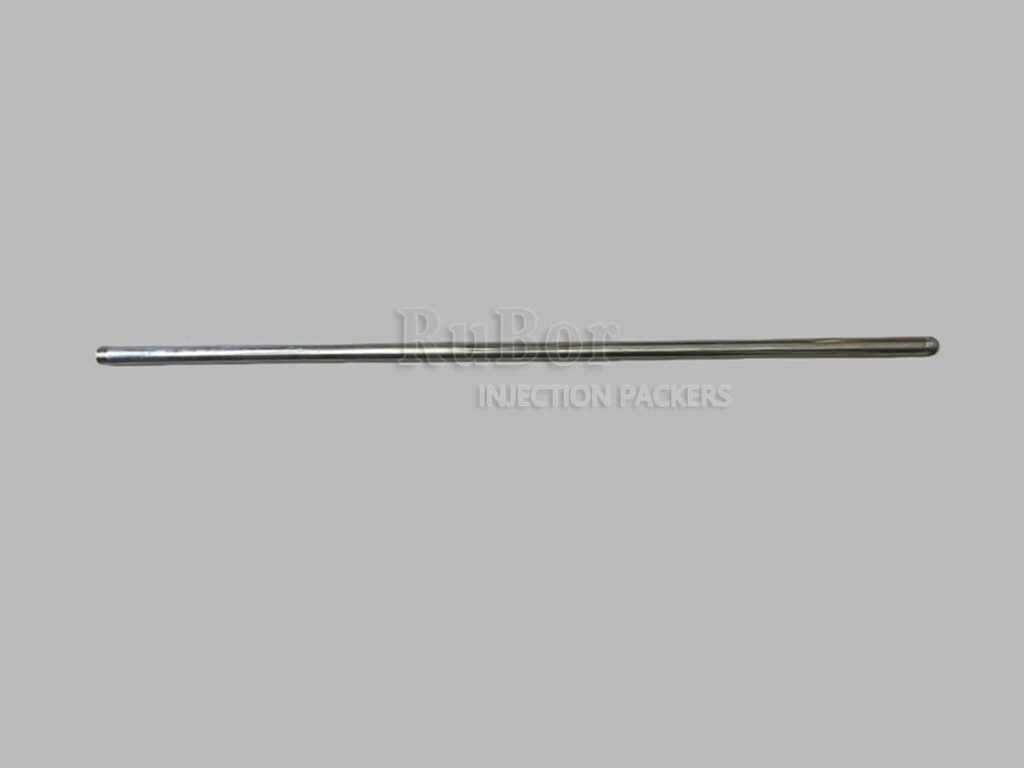
Grout Injection Lances for improving overall ground strength

Advantages of Soil Stabilization

Ensuring a stable and durable foundation starts with effective ground improvement. Advanced soil enhancement techniques, such as chemical grouting, provide reliable solutions for weak or unstable soils.

Key advantages:

  • Minimizes settlement and deformation
  • Increases durability under various loading conditions
  • Improves ground strength and reliability
  • Enables construction on weak soils
  • Enhances environmental sustainability(with modern materials)

Soil Stabilization vs Crack Injection vs Leak Sealing

Aspect

Soil Stabilization

Crack Injection

Leak Sealing

Target

Soil/Ground

Concrete cracks

Water leakage paths

Purpose

Improve ground strength

Restore structural integrity

Stop water infiltration

Application Stage

Before or below structure

After cracking occurs

During leakage issues

Engineering Field

Geotechnical

Structural repair

Waterproofing

Submit a Quick Quote

FAQS

we are happy to help you choose the best soil stabilization products for your projects.

Q. What is the best method for soil stabilization?

It depends on soil type, project requirements, and site conditions. Mechanical, chemical, and grouting methods are commonly used.

In some cases,it improves soil enough to reduce foundation requirements,but it does not completely replace structural design.

Many methods provide long-term or permanent improvement,especially chemical and grouting techniques.

Related blog about soil stabilization

INQUIRY NOW

Fill out the form below, and we will be in touch shortly.