Injection Grouting Materials
Home » Injection Grouting Materials
We supply different types of injection grout materials for your project, used for below application:
Basement water seepage treatment
Tunnel engineering
Roof leakage repair
Injection Grout Materials Manufacturer in China
We are a professional injection grout materials manufacturer since the year 2009, and supply various of injection grout materials. Before selecting a specific injection grout product for your project, it is important to understand the different types of injection grout materials available and how each one performs in waterproofing applications. Choosing the right injection grouting solution can greatly improve the effectiveness of crack sealing, leakage control, and long-term structural protection.
The good news is that the fundamentals are straightforward. In general, there are five main types of injection grout products commonly used in waterproofing and crack repair, and understanding their characteristics will help you select the most suitable injection grouting material for your application.
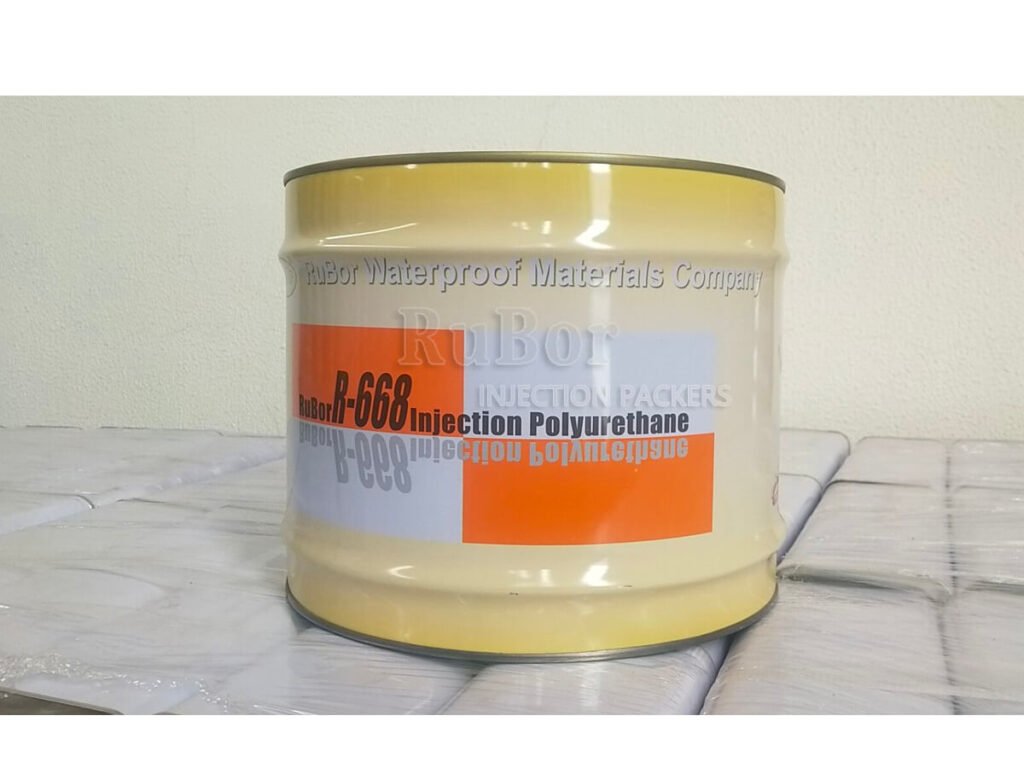
One Component Hydrophbic PU
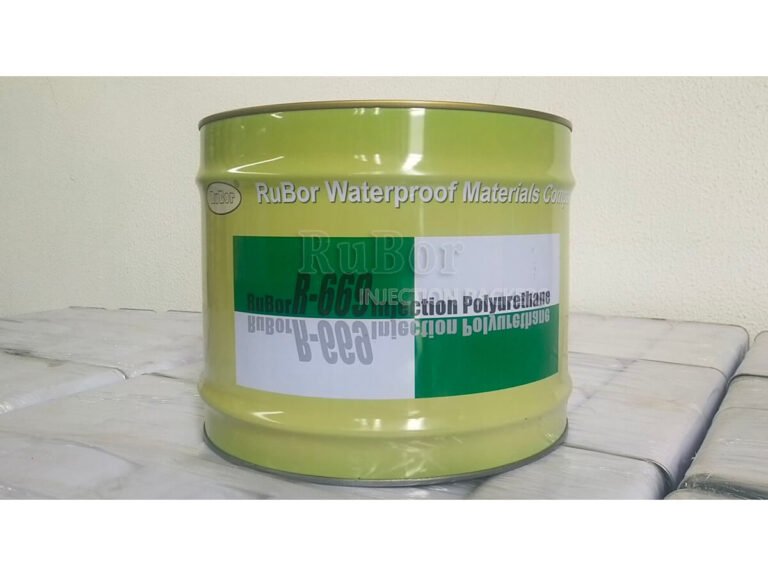
Hydrophobic PU injection grout is a high-expansion waterproofing material formulated from isocyanate, polyether polyols, and other reactive components. This hydrophobic polyurethane grouting resin is widely used in construction and civil engineering for effective leak sealing and structural waterproofing. When the materials are injected into cracks, joints, or voids, the hydrophobic polyurethane injection grout reacts rapidly with water and expands several times its original volume within minutes, forming a dense, elastic, and impermeable solid.
After curing, the material becomes water-insoluble and highly stable, providing long-term resistance to water infiltration. It can also react with trace moisture in the air, allowing it to effectively fill and seal both damp and relatively dry cracks. Thanks to its excellent expansion capability, strong adhesion, and durable waterproof performance, hydrophobic PU injection grout is widely used for leak stopping, crack sealing, and reinforcement in structures such as tunnels, basements, dams, hydropower facilities, and other underground or water-bearing structures. It is particularly suitable for sealing leaks in environments with dynamic groundwater conditions, helping maintain the integrity, stability, and safety of concrete structures
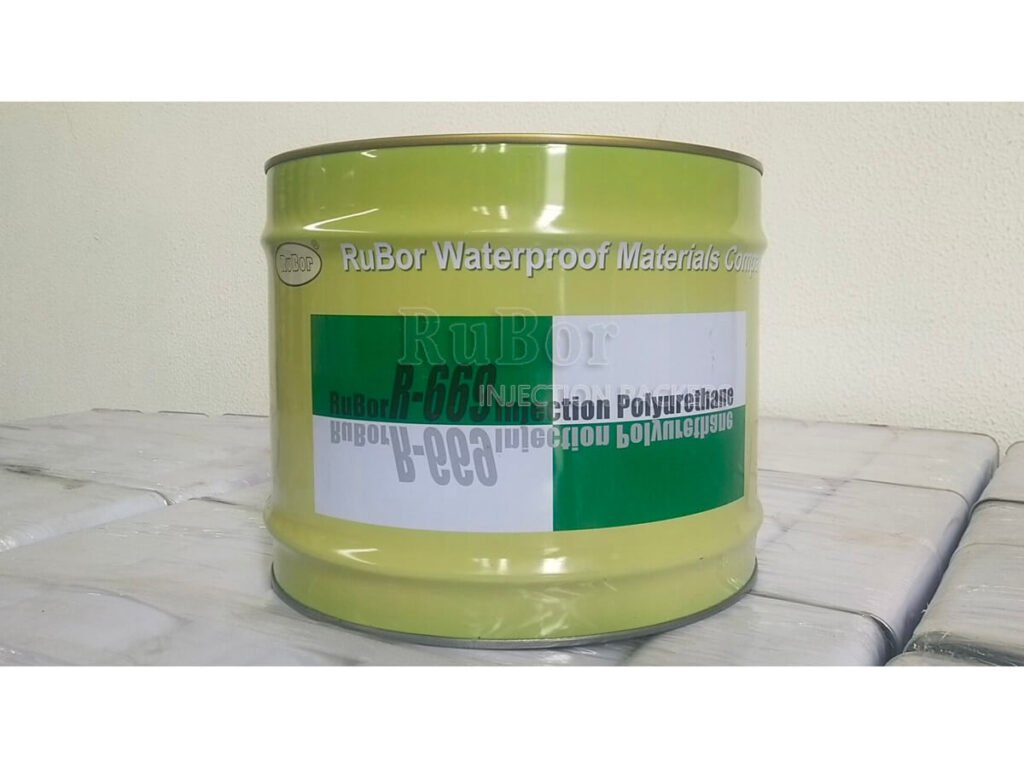
One Component Hydrophilic PU
Hydrophilic PU injection grout is a fast-reacting, high-performance waterproofing material made from the chemical reaction of isocyanates and polyether polyols. This single-component hydrophilic polyurethane grout is specifically designed for leak sealing and water-stopping applications in concrete structures. When the operatior inject the polyurethane into cracks or joints, the hydrophilic polyurethane injection resin reacts quickly with water, expanding and forming a milky elastic gel that effectively blocks water flow.
The resulting elastomer has excellent water resistance, flexibility, and strong adhesion to the surrounding structure, allowing it to seal fine cracks, voids, and leakage paths. Because of its rapid reaction and reliable sealing performance, hydrophilic PU injection grout is widely used as a modern waterproofing and leak-stopping grouting material in basements, tunnels, concrete joints, and other structures exposed to water infiltration.
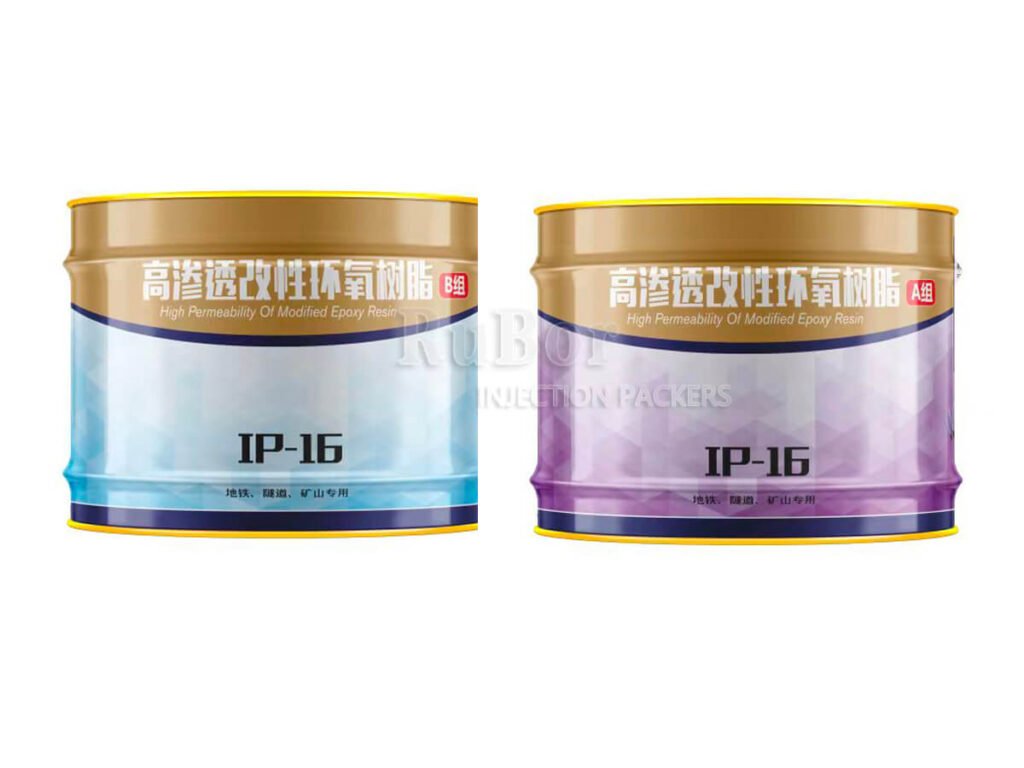
Epoxy Resin
Epoxy resin injection grout is a highly effective material used for structural waterproofing and crack repair. This type of epoxy resin grouting material offers excellent flowability, high mechanical strength, strong adhesion to concrete, and outstanding impermeability and durability. When used with professional high-pressure injection grouting equipment, the epoxy resin can penetrate deeply into cracks, voids, and pores within concrete or geological strata, forming a dense and permanent seal that prevents water infiltration.
Injection Grout Materials Application
Injection grout materials are widely used in waterproofing and leak-sealing applications such as basement seepage repair, tunnel construction, and roof leakage treatment. In these environments, building structures are often exposed to long-term moisture or groundwater pressure, which can gradually cause cracks, voids, and water infiltration.
With professional chemical injection grout materials, the grout can be injected deep into structural cracks, joints, and pores, where it expands or solidifies to form a dense and durable sealing barrier. This injection grouting process effectively blocks water pathways, prevents further seepage, and restores the integrity of the structure. As a result, injection grout materials play a critical role in improving the waterproof performance, safety, and long-term durability of concrete and underground structures.
Concrete Crack Repair
Commonly used to repair cracks in concrete structures such as walls, floors, bridges, and foundations.
Basement Waterproofing
Injection grout materials are injected into cracks and joints to form a waterproof barrier, effectively stopping groundwater leakage.
Tunnel Leak Sealing
Seal cracks and rock fissures, blocking water channels and improving the tunnel’s waterproof performance.
Dam and Hydropower Structure Sealing
Used to seal cracks and joints in dams and hydropower structures, preventing leakage and maintaining structural stability.
Soil Stabilization and Ground Improvement
Injected into loose soil to fill voids and strengthen the ground, improving stability for foundations and underground structures.
Joint and Void Filling
Fill construction joints and hidden voids, creating a tight seal that improves waterproofing and structural durability.
Injection Grout Materials – Usage Precautions
There are some attention points to pay when using injection grout materials.
First, please ensure all cracks, holes, and surfaces are clean and free of dust, oil, or loose particles to achieve proper adhesion.
Second, maintain the recommended application temperature, as extreme cold or heat can affect the grout’s reaction and strength.
Third, mix the components strictly according to the manufacturer’s instructions to ensure complete curing and optimal performance.
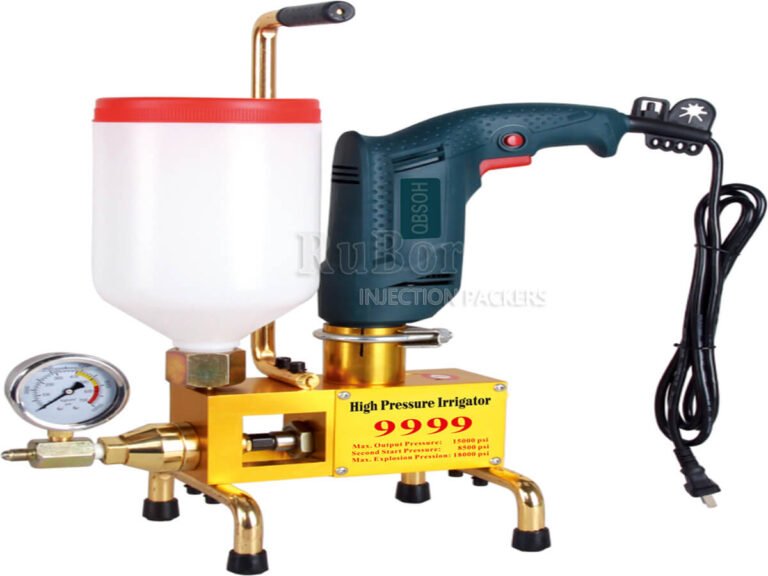
Fourth, use suitable high-pressure injection equipment, controlling injection speed and pressure to prevent overflow or structural damage. Allow sufficient curing time for the grout to form a dense, waterproof seal.
Fifth, operators should wear protective gear such as gloves and goggles.
Sixth, all materials should be stored in a dry, cool place to avoid moisture or direct sunlight.
Following these precautions ensures the effectiveness, durability, and safety of injection grout materials in waterproofing and crack repair applications.
FAQ
What is the typical lead time for orders?
Our standard production lead time is within 7 days after getting payment. For custom orders, we can complete production within 20-25 days.
Can you provide OEM or private label services?
Yes, we offer OEM/ODM services, including custom packaging, labeling, and formulation adjustments to meet your brand or project requirements.
Can you handle custom formulations?
Yes, we can adjust viscosity, curing time, expansion rate, or other properties to meet specific project needs or regional standards.
Do you provide technical support?
Yes, we provide professional technical guidance, including application methods, equipment recommendations, and troubleshooting to ensure successful use of our products.
What is your MOQ
MOQ is 1000KGS. We can support you with FREE SAMPLE testing.
Related Products