Stainless Steel Injection Needles Manufacturer in China
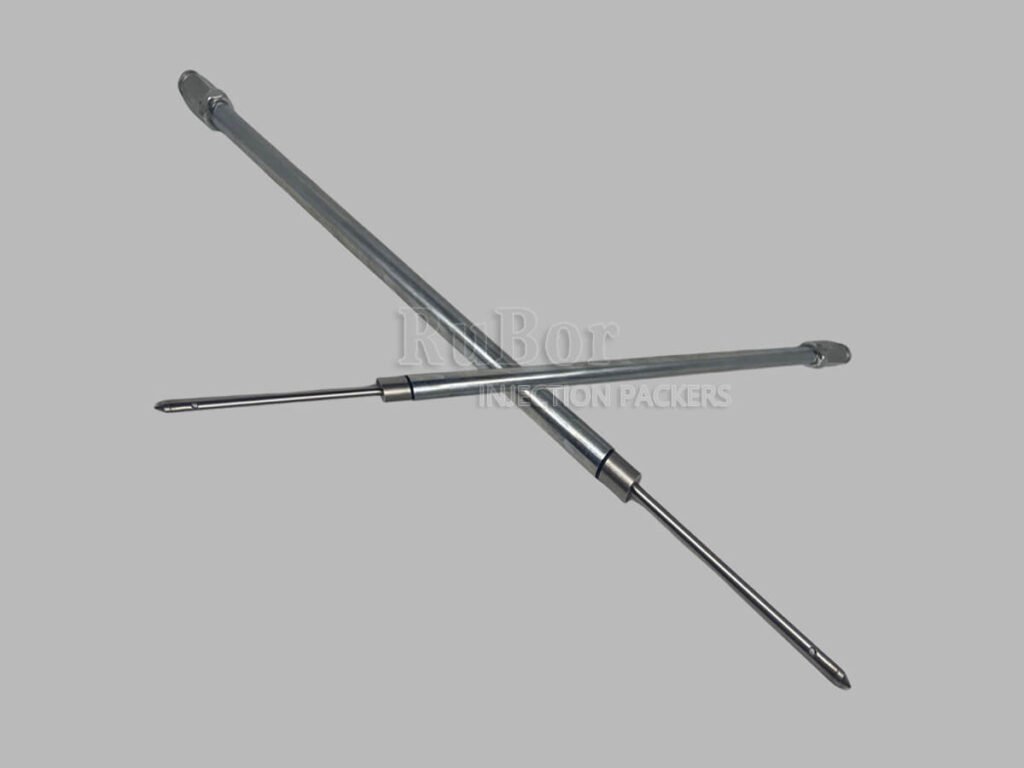
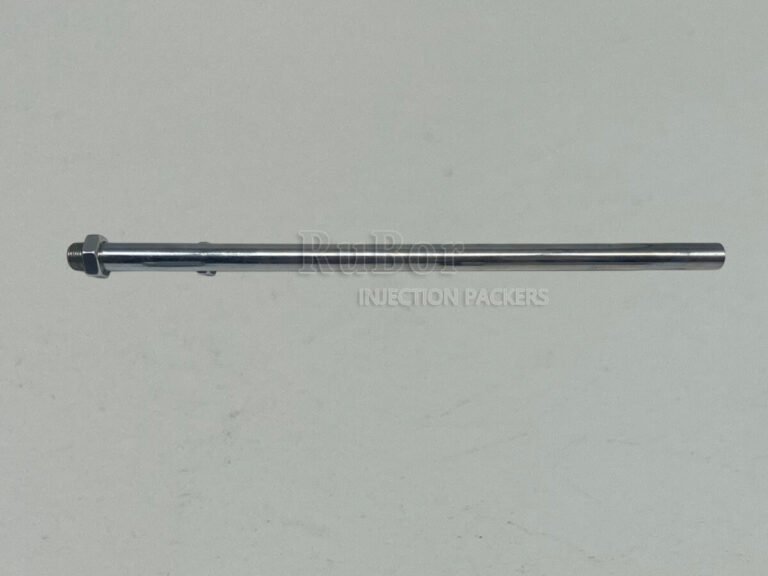
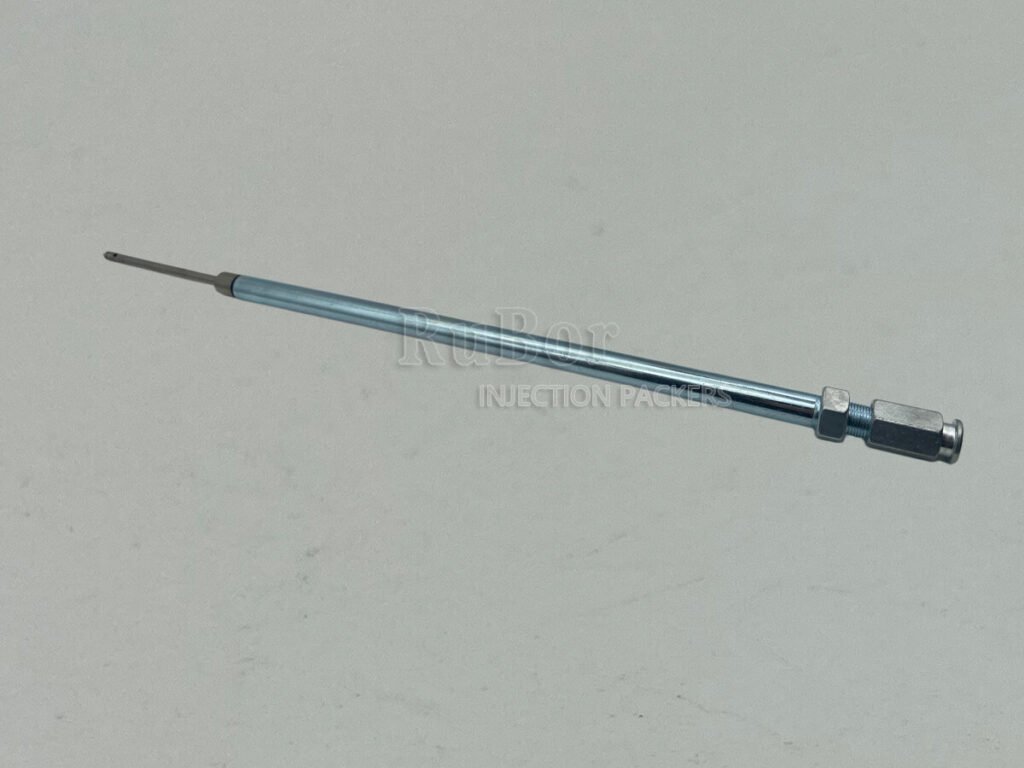
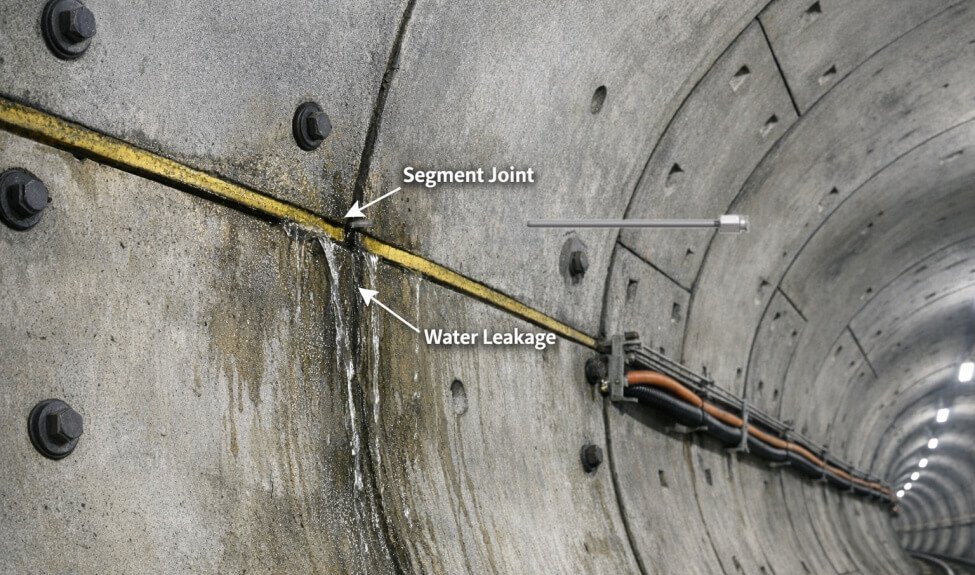
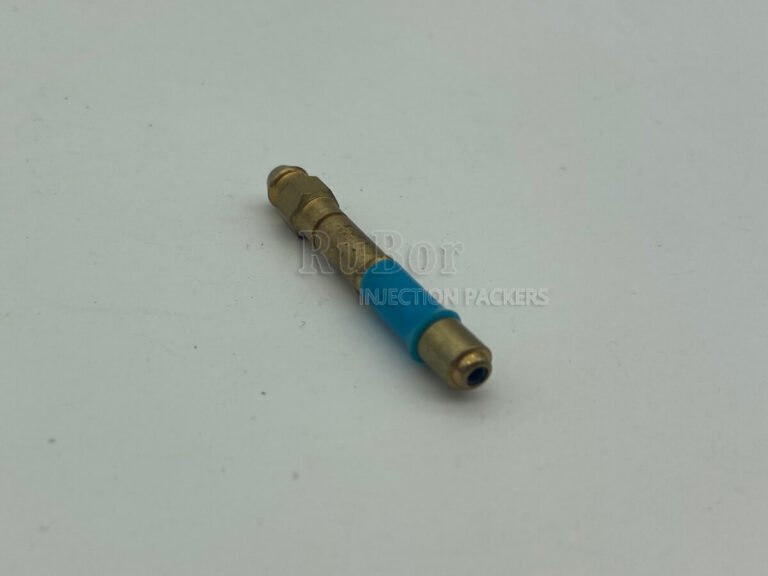
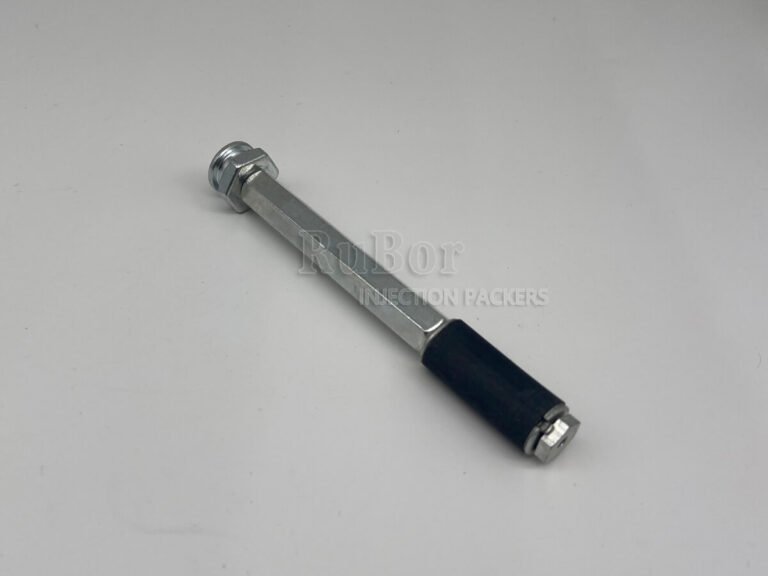
Injection needles are specialized tools engineered for subsequent sealing of leaking movement and segment joints in concrete tunnels, particularly tubbing tunnels and expansion joints.
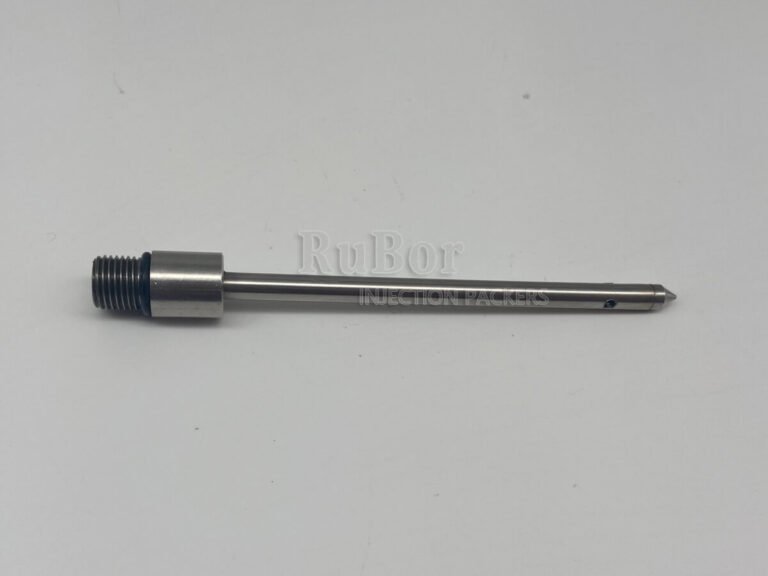
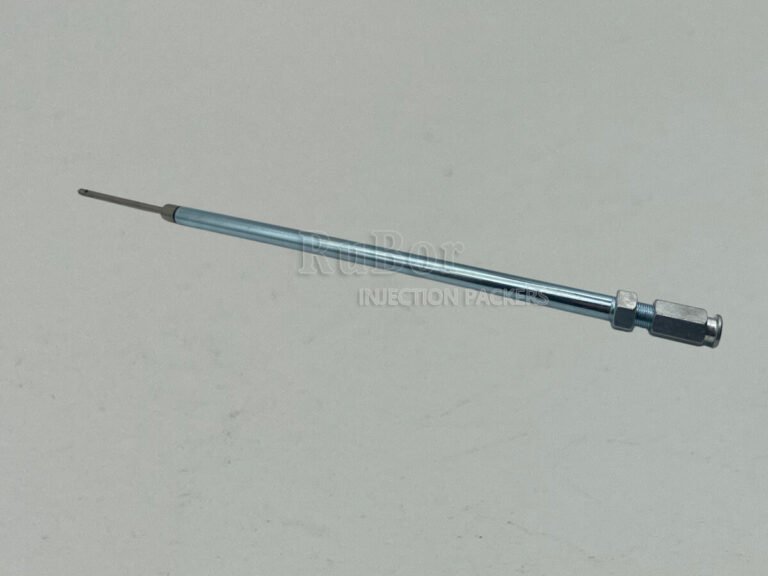
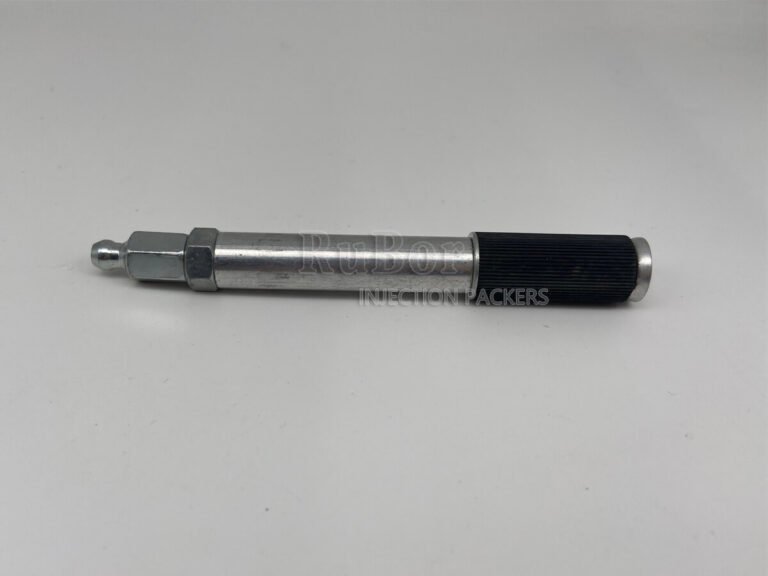
These needles are made from robust, corrosion‑resistant materials such as stainless steel, designed to withstand the harsh demands of underground structural repair. When inserted into a joint or sealing profile, the injection needle allows controlled delivery of liquid sealing materials like acrylate gels, one‑ or two‑component injection resins, or polyurethane grouts directly into the defect with a free flow of filler material.
Unlike systems that require significant drilling or removal of existing seal material, injection needles penetrate existing gaskets or profiles without removing material, maintaining the integrity of the surrounding structure and preserving the existing geometry of the joint.
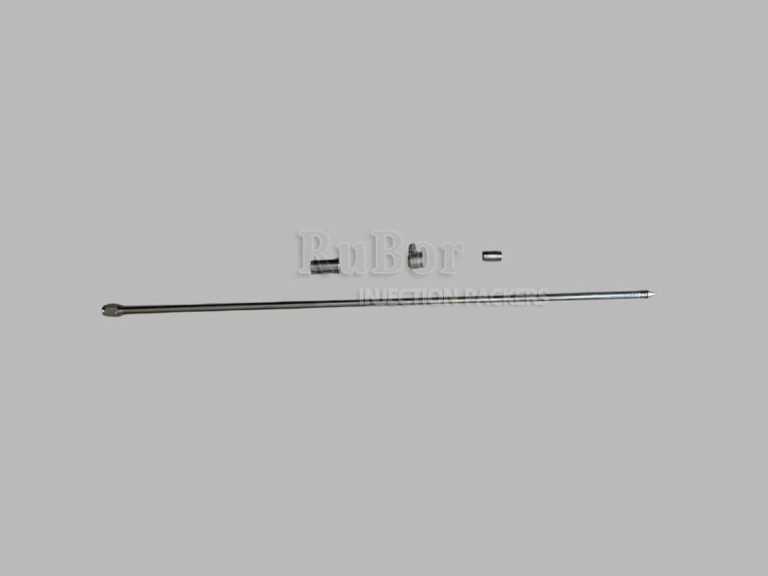
A well‑known implementation used in practical tunnelling and civil works is the joint injection needle that is screwed directly into pre‑installed sealing profiles so the lateral outlet holes remain clean and allow unobstructed flow of grouting material. After injection, the grouting tube is removed while the needle remains embedded, forming part of the permanent waterproof seal.
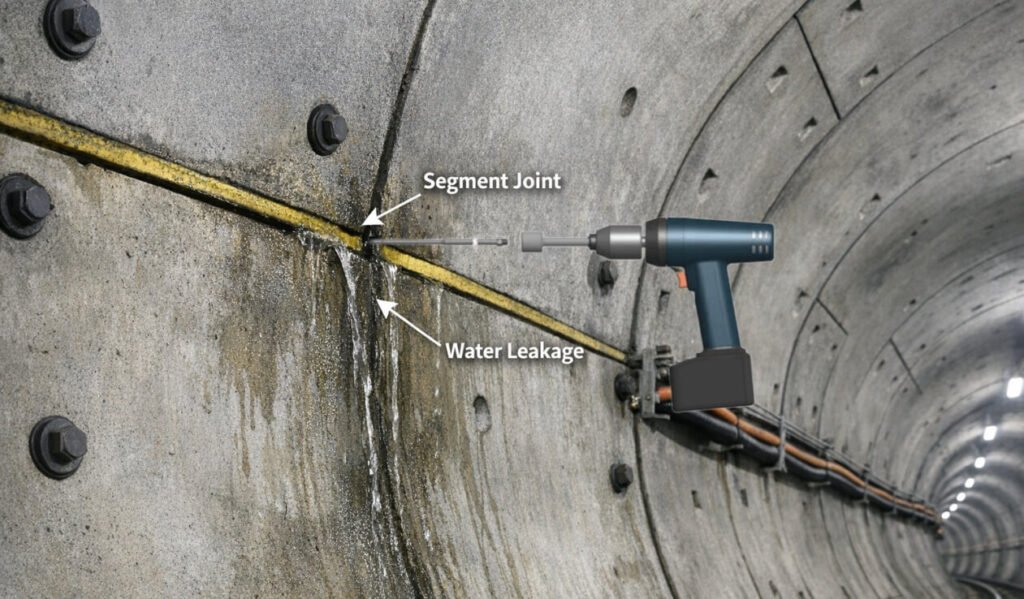
Screw the injection needle into the sealing profile by using a cordless screwdriver.
Inject Grouting Materials
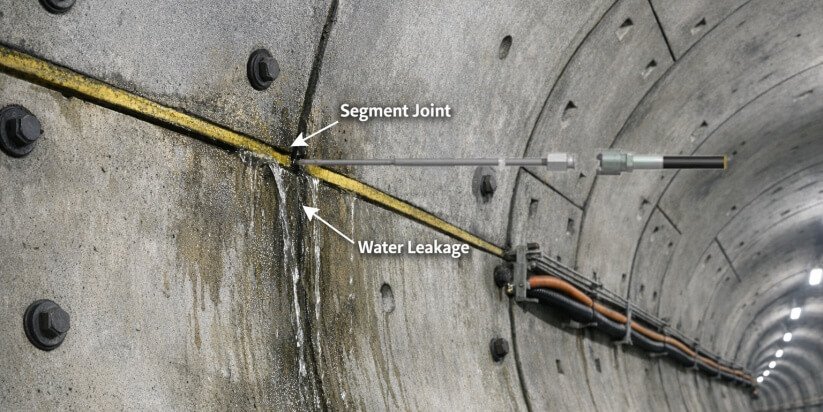
Inject grouting materials into the joint.
Unscrew the injection tube
Unscrew the injection tube by left-hand rotation after injection process, the stainless steel remains in the building structure.
Injection Needles Advantage
Injection needles offer multiple benefits that make them an efficient, reliable, and durable solution for tunnel joint sealing
Minimal invasive installation: Injection needles penetrate the sealing element without removing material or damaging surrounding concrete.
Reliable flow and sealing: Lateral outlet openings on the needle remain unobstructed, enabling a free flow of grout during injection.
Integrated mechanical seal: The surrounding sealing material adapts to the needle, holding it in place and contributing to the permanent watertight seal.
Durable waterproofing: Once installed and injected, the metallic injection needle often remains in the structure as part of the long‑term sealing solution.
Compatibility with multiple grouts: Suitable for a range of injection materials including acrylate gel, one‑component, two‑component resins, and polyurethane.
The following steps outline the proper procedure for installing and injecting with industrial injection needles, ensuring effective sealing of tunnel joints:
Locate the leaking joint or movement interface using visual or instrumentation methods.
Prepare the injection point: In many applications, a sealing profile such as a temporary injection profile is positioned first.
Insert the injection needle: Screw the needle into the sealing profile or directly into the joint using a cordless screwdriver or socket wrench.
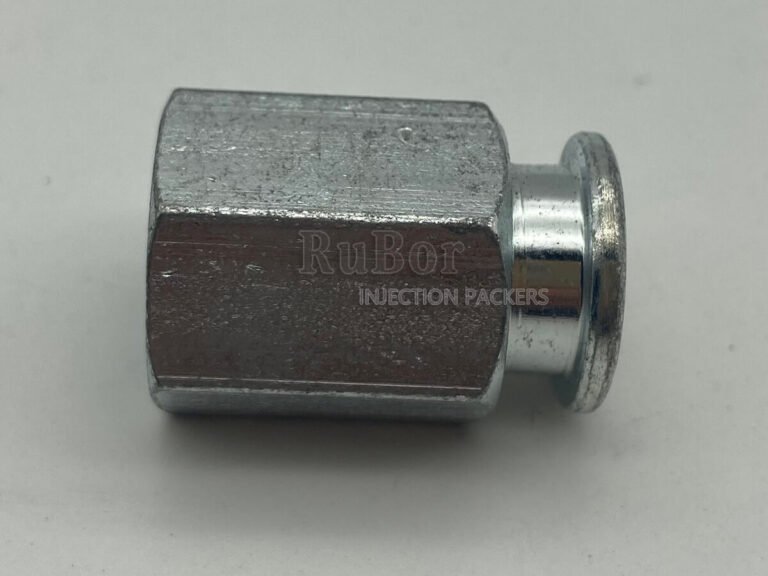
Connect the grouting system: Attach an injection hose or pump to the needle fitting designed to accept grout.
Inject sealing material: Apply acrylate gel, polyurethane resin, or resin injection under controlled pressure until the joint is fully saturated.
Remove injection hoses: After injection is complete and the seal material has set, disconnect the grouting hoses. The metal injection needle remains embedded, ensuring a lasting mechanical and chemical seal
we are happy to hear from you and will reply to your with our product solutions.
Q1. How do injection needles control the direction of grout flow?
Injection needles are often designed with side ports or directional outlets, allowing grout to be released precisely into targeted areas. This ensures controlled distribution, especially in joints, soil interfaces, or narrow voids.
Q2. Why do some injection needles include a check valve system?
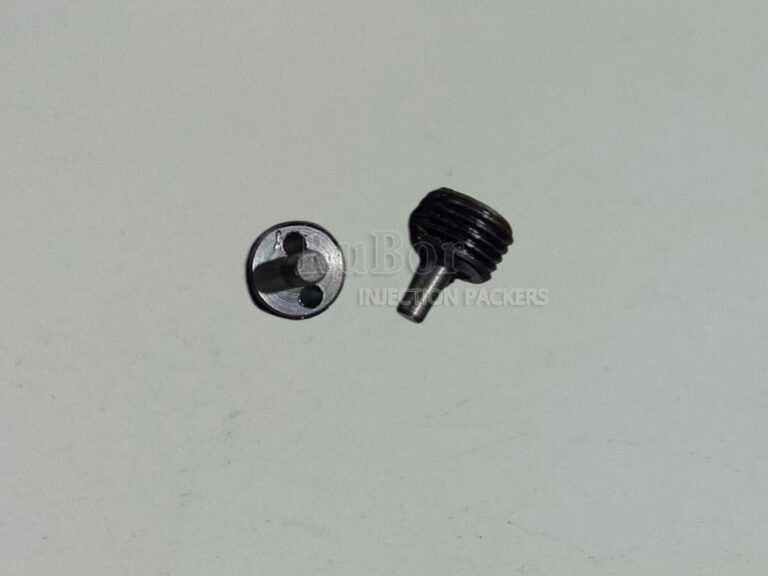
A built-in check valve prevents backflow, ensuring that grout is pushed forward into the structure rather than returning through the needle. This improves injection efficiency and material retention, especially in low-pressure or vertical applications.
Q3. Why are injection needles preferred in confined or sensitive structures?
Their slim design and minimal installation requirements make them ideal for restricted spaces, finished surfaces, or sensitive structures where drilling or large equipment is not feasible.
Q4. How do injection needles improve efficiency in leak sealing projects?
They allow fast setup and targeted injection, reducing preparation time and minimizing material waste, which is especially beneficial in emergency leak sealing or maintenance work.
Q5. What is the advantage of using injection needles for joint sealing?
Injection needles allow direct penetration into joints without extensive drilling, making them ideal for tunnel segments, precast concrete joints, and pipe connections where precision is critical.
INQUIRY NOW
Fill out the form below, and we will be in touch shortly.