Surface Injection Packers
Home » Injection Packers » Surface Injection Packers
Surface injection packers also mean adhesive packers.
-Mainly used for low-pressure injection.
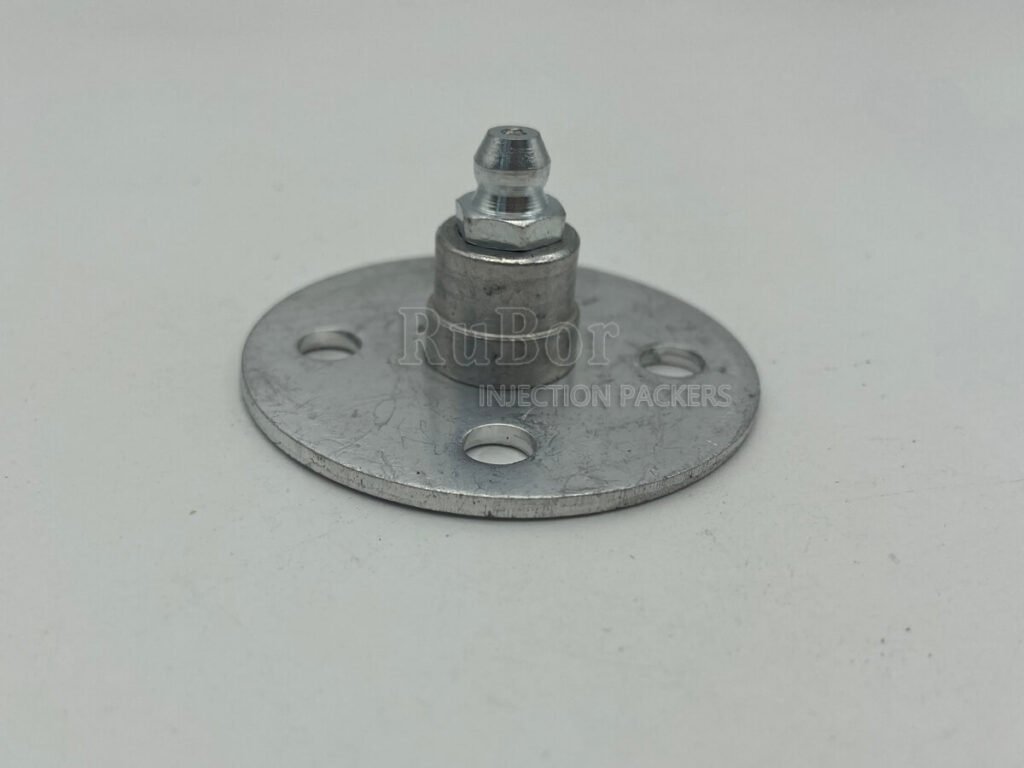
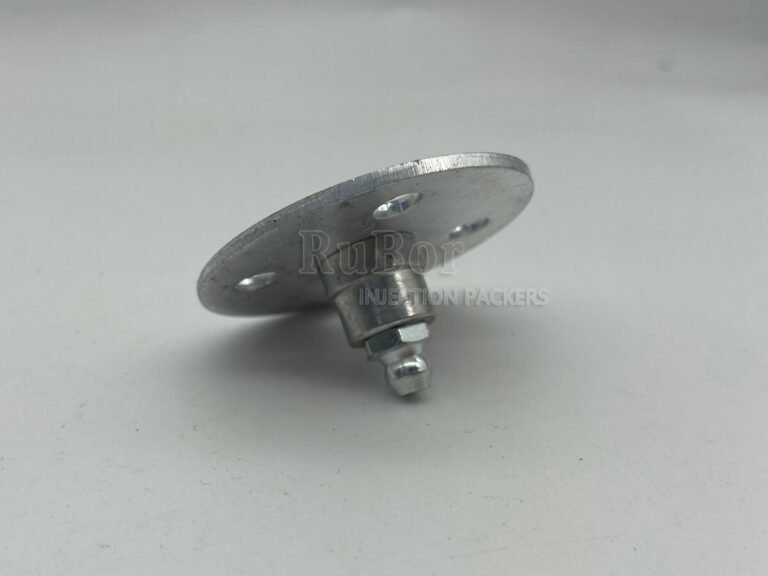
-Aluminum adhesive packers
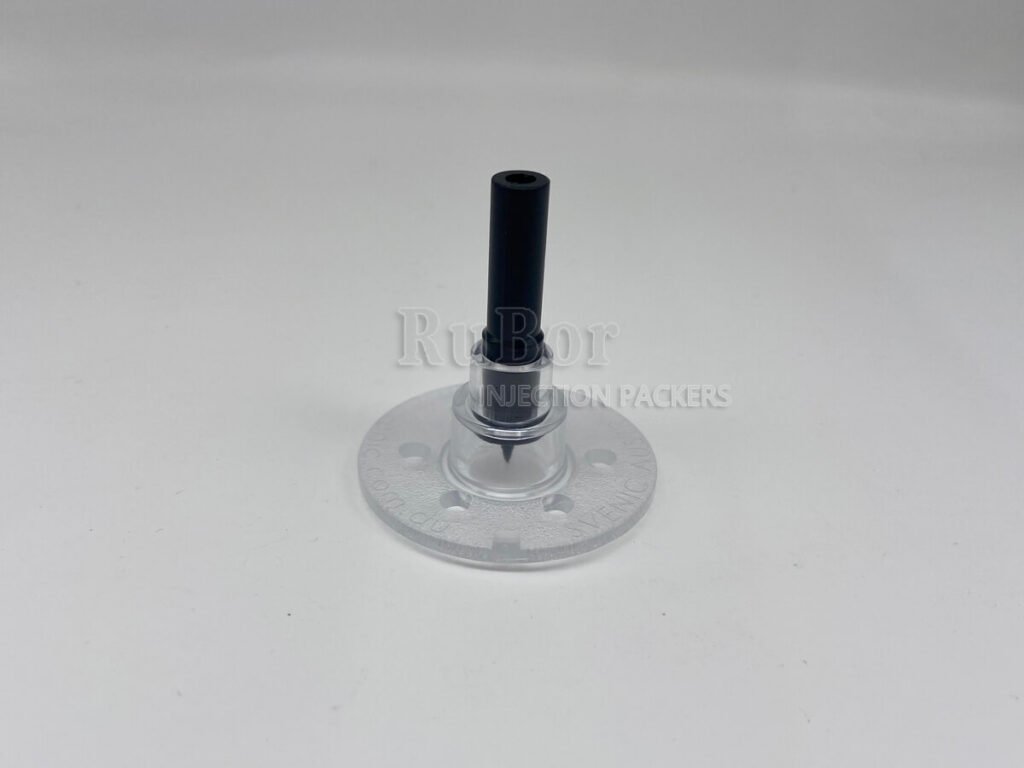
-Plastic adhesive packer
Your Ideal Surface Injection Packers Suppliers in China.
Some leakage occurs in the building, where we can not drill holes, so we developed another type of injection packers, surface injection packers, also known as adhesive packers or surface ports. These injection ports are installed directly on the surface of a concrete crack rather than inside drilled holes.
We provide 4 types of surface injection packers made of different materials, aluminum and plastic. We can customize adhesive packers as per your samples or drawings.
The surface injection packers are typically bonded to the substrate using epoxy adhesive and act as a connection point between the injection pump and the structure during crack repair or sealing operations. Surface injection packers are mainly used for epoxy crack injection and concrete crack repair in low-pressure injection grouting, especially when drilling holes into the structure is not possible or not desirable, especially for visible surface cracks.
Surface Injection Packers Featured Products
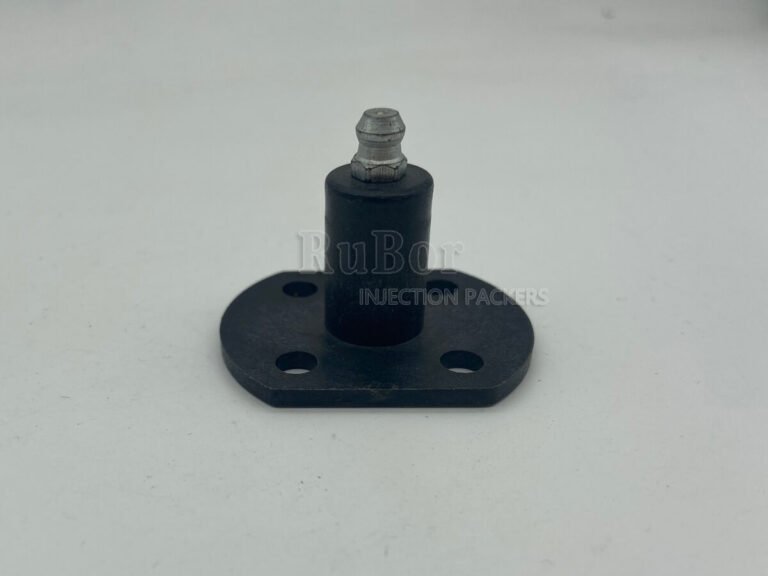
Black Adhesive Packer
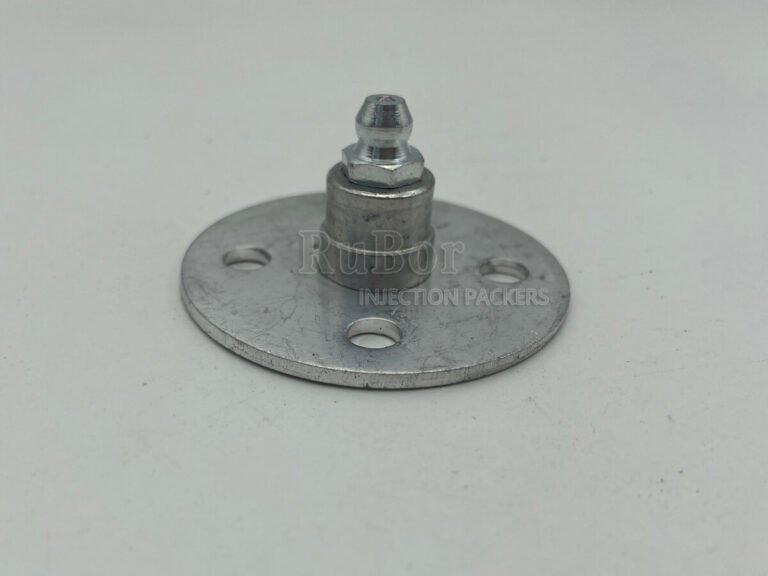
Aluminum Adhesive Packer
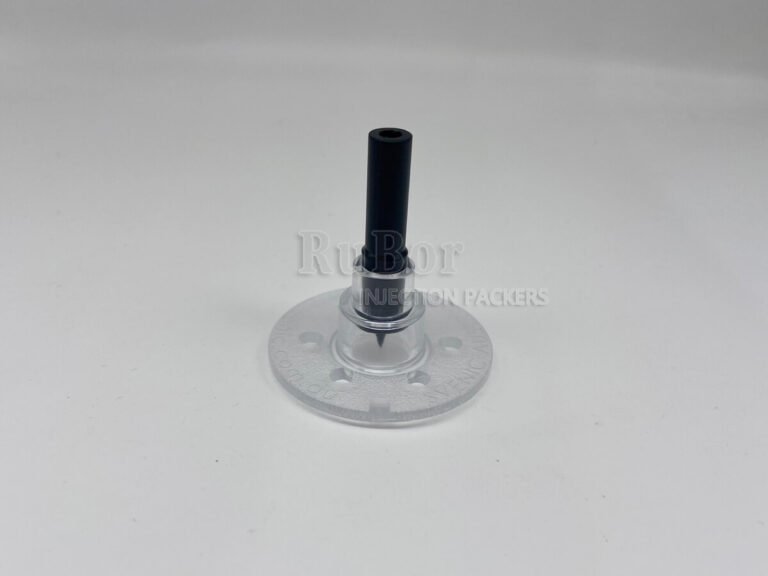
Plastic Adhesion Packer
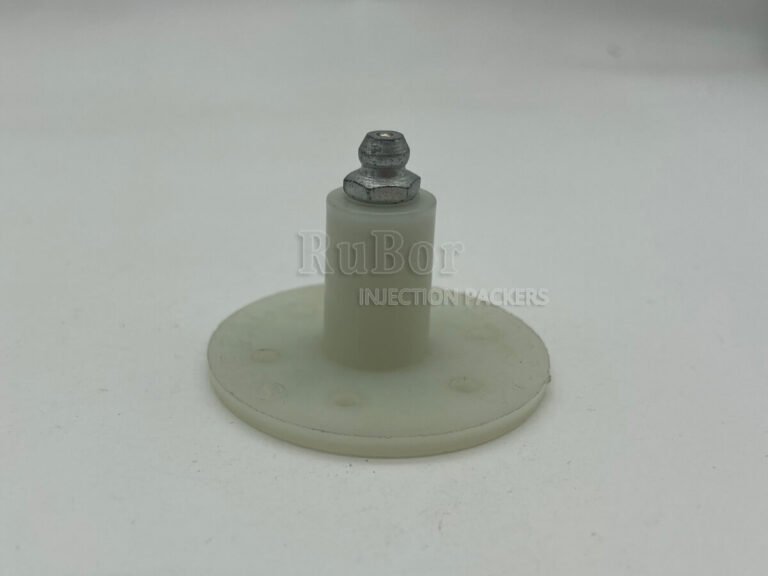
Adhesion Packer with Nipple
Surface Injection Packers Application
Surface injection packers can only be used in cracks on the concrete where we can not drill holes, such as repairing visible surface cracks in walls, slabs, and structural concrete. They can only be used for low-pressure injections, so they can be used for some projects, not all projects.
- Concrete walls and columns. When cracks appear on structural walls or columns and drilling could weaken the structure.
- Concrete slabs and floors. It is used to repair surface cracks in industrial floors, parking decks, and warehouse slabs without drilling into the slab
- asement walls. It is suitable for sealing visible cracks in basement concrete where water leakage occurs.
- Water tanks and reservoirs. It is used for crack sealing in structures where drilling may cause additional leakage risks.
- Bridges and elevated structures. Surface packers can repair cracks in bridge decks, beams, or piers where drilling is difficult or restricted
- Precast concrete elements. it is often used on precast panels, pipes, or segments where drilling could damage reinforcement or structural integrity.
Surface Injection Packers Technical Parameters
| Item | Diameter | Height | Material |
| PPA48 | 48mm | 18mm | Platic |
| PPB48 | 48mm | 18mm | Plastic |
| PPC48 | 58mm | 45mm | Plastic |
| ASP48 | 48mm | 20mm | Aluminum |
Surface Injection Packers Advantages
Why should we use the surface part in some areas where we can not drill holes? What are the advantages? Please see below.
No Drilling Required
Surface packers are installed directly on the surface of concrete cracks using epoxy adhesive, eliminating the need to drill holes into the concrete and reducing the risk of structural damage.Easy and Fast Installation
They can be quickly attached to the surface, which reduces labor time and makes the repair process more efficient.Minimal Damage to the Structure
Since drilling is not required, the repair process remains non-destructive and suitable for sensitive or finished concrete surfaces.Cost-Effective Repair Method
The simple installation and minimal equipment required help lower overall repair costs.Easy Removal After Injection
After the injection work is completed and the material has cured, the packers can be removed and the surface can be finished smoothly.
Related Products
Submit a Quick Quote
FAQS
we are happy to hear from you and will reply to you with our product solutions.
1. What types of structures benefit most from surface packers?
They are widely used in finished concrete surfaces, walls, slabs, and structural elements where maintaining surface integrity is important, especially in repair and maintenance projects.
2. Are surface injection packers suitable for high-pressure grouting applications?
Generally not. They are designed for low-pressure, controlled injection, and excessive pressure may cause seal failure or detachment from the surface.
3. Can surface packers achieve the same injection depth as mechanical packers?
No. Surface packers mainly deliver material along the crack path from the surface, while mechanical packers inject deeper into the structure via drilled holes, making them more suitable for deep penetration repairs.
4. How can I ensure proper bonding of a surface packer before injection?
The substrate must be clean, dry, and free of dust or oil. Adhesive sealing around the base plate is essential, and temporary blocking (e.g., pin or nail) is often used to prevent blockage during curing before injection starts.
5. What is the biggest limitation of surface injection packers in real projects?
Their main limitation is low pressure tolerance and poor adhesion on wet surfaces, which can lead to detachment or leakage during injection. Proper surface preparation and pressure control are critical.
6. How can I ensure proper bonding of a surface packer before injection?
The substrate must be clean, dry, and free of dust or oil. Adhesive sealing around the base plate is essential, and temporary blocking (e.g., pin or nail) is often used to prevent blockage during curing before injection starts